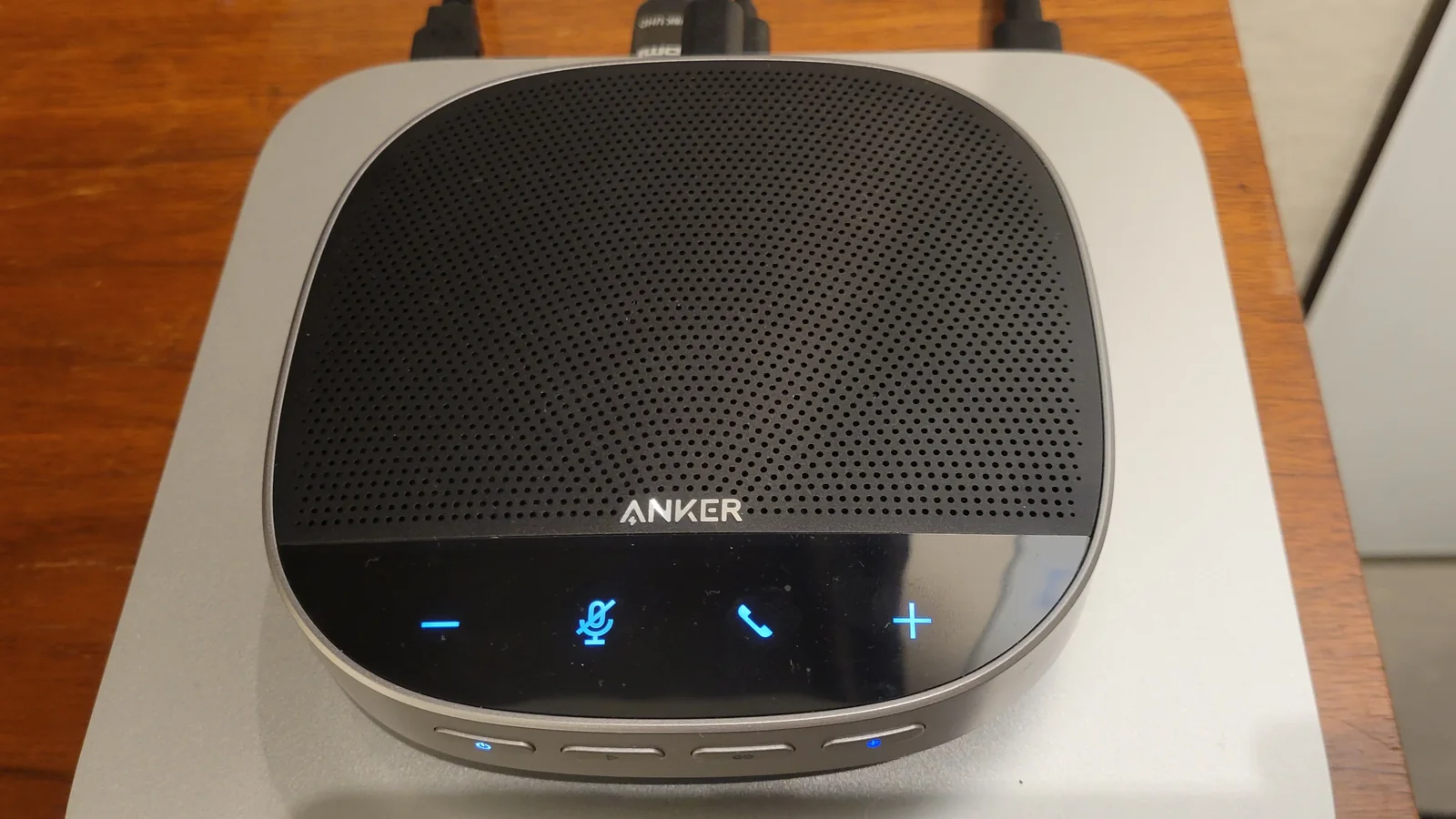
A USB conference speakerphone is useful when it makes meeting-room calls clearer and calmer without missed voices, unreliable pairing, weak microphone pickup, or confusing mute controls.
Comfort
Clamp force, table placement, and room layout
Mic
Speech clarity and background noise control
Reliability
USB Power, USB, and mute confidence
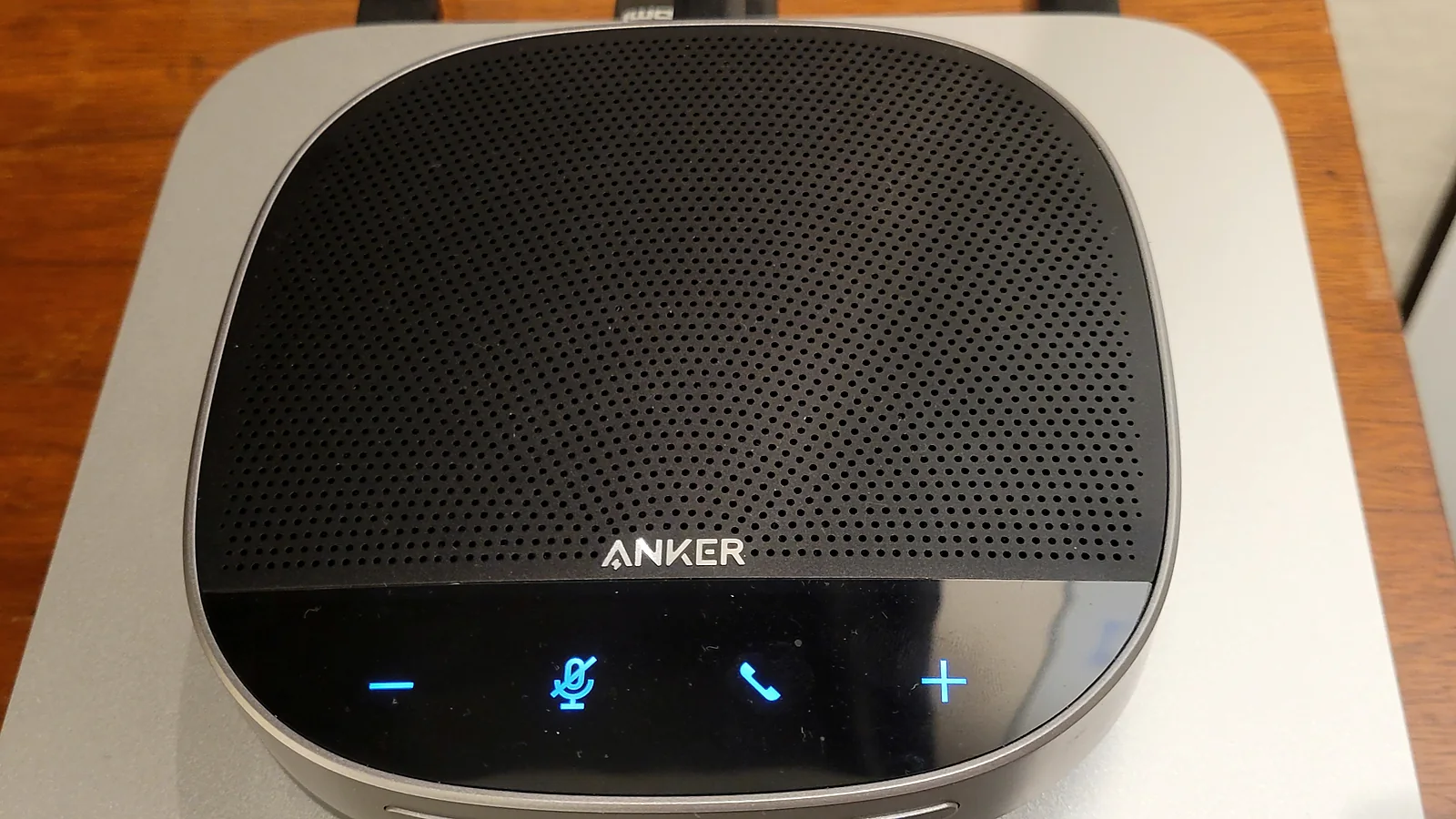
Start with all-day room coverage
A USB conference speakerphone should be chosen around call length, meeting-room shape, table distance, glasses, desk movement, and whether the user spends hours in Teams, Zoom, Meet, conference calls, and softphone rooms.
After this call-workflow check, compare product candidates against the LeStallion guide to USB conference speakerphones for teams of 10-15 people so the shortlist is judged by real meetings, office noise, room coverage, microphone clarity, and USB behavior.
During a buying check, pair the speakerphone with the actual laptop and phone, join a real meeting platform, test mute behavior, record a voice sample, walk to the normal call range, and use it in a real room long enough to notice missed voices, echo, or table vibration.
Also check practical details: USB cable or power option, USB dongle, carry case, cable, or table adapter, speaker placement, duplex audio, echo control mode, warranty, platform certification, and return terms.
Microphone noise-cancelling is the main office test
The microphone should reduce keyboard clicks, HVAC, nearby voices, traffic, and home-office noise without making speech robotic. Test the mic in the real office, not only in a quiet room.
During a buying check, pair the speakerphone with the actual laptop and phone, join a real meeting platform, test mute behavior, record a voice sample, walk to the normal call range, and use it in a real room long enough to notice missed voices, echo, or table vibration.
Also check practical details: USB cable or power option, USB dongle, carry case, cable, or table adapter, speaker placement, duplex audio, echo control mode, warranty, platform certification, and return terms.
USB Power and charging decide daily reliability
All-day meeting-room calls need predictable USB power reliability, quick charging, clear low-battery alerts, and a charging habit that works between meetings. A speakerphone that dies mid-call creates more friction than a slightly heavier model.
During a buying check, pair the speakerphone with the actual laptop and phone, join a real meeting platform, test mute behavior, record a voice sample, walk to the normal call range, and use it in a real room long enough to notice missed voices, echo, or table vibration.
Also check practical details: USB cable or power option, USB dongle, carry case, cable, or table adapter, speaker placement, duplex audio, echo control mode, warranty, platform certification, and return terms.
USB connection and room range affect workflow
Multipoint pairing, dongles, laptop USB, laptop or room-device handoff, range, and reconnect speed matter when users move between desk, meeting room, and mobile calls. Check how quickly the speakerphone recovers after sleep or walking away.
During a buying check, pair the speakerphone with the actual laptop and phone, join a real meeting platform, test mute behavior, record a voice sample, walk to the normal call range, and use it in a real room long enough to notice missed voices, echo, or table vibration.
Also check practical details: USB cable or power option, USB dongle, carry case, cable, or table adapter, speaker placement, duplex audio, echo control mode, warranty, platform certification, and return terms.
Controls need to be simple by touch
Mute, volume, answer, duplex audio, echo control, transparency, and table-top controls should be easy to use without looking. Physical controls often beat hidden touch gestures during busy calls.
During a buying check, pair the speakerphone with the actual laptop and phone, join a real meeting platform, test mute behavior, record a voice sample, walk to the normal call range, and use it in a real room long enough to notice missed voices, echo, or table vibration.
Also check practical details: USB cable or power option, USB dongle, carry case, cable, or table adapter, speaker placement, duplex audio, echo control mode, warranty, platform certification, and return terms.
Call-platform compatibility matters
A speakerphone may sound fine but still behave poorly with Teams, Zoom, Meet, Slack huddles, Webex, or a VoIP softphone. Test mute sync, device switching, duplex audio, and call pickup with the actual platform.
During a buying check, pair the speakerphone with the actual laptop and phone, join a real meeting platform, test mute behavior, record a voice sample, walk to the normal call range, and use it in a real room long enough to notice missed voices, echo, or table vibration.
Also check practical details: USB cable or power option, USB dongle, carry case, cable, or table adapter, speaker placement, duplex audio, echo control mode, warranty, platform certification, and return terms.
For a product-facing shortlist, use the related LeStallion guide to best USB conference speakerphone for teams of 10-15 people after testing room coverage, microphone noise reduction, USB power reliability, USB connection, and mute confidence.
Practical verdict
Test the speakerphone during the noisiest part of the workday, not only in a quiet room. Background voices and keyboard noise reveal microphone quality quickly.
Use it for at least one long meeting. Ear pressure, pickup radius, heat, and room layout matter more after an hour than they do in the first five minutes.
Record a short sample while typing, turning pages, and speaking normally. A practical office speakerphone should keep words clear without making the speaker sound distant.
Check mute confidence. A clear mute tone, visible light, boom-up mute, or platform sync can prevent embarrassing mistakes during long calls.
USB multipoint is useful only if switching is predictable. Test laptop-to-laptop or room-device handoff before assuming it will help.
A USB cable or dock can make meeting-room use easier, but it also needs desk space and a cable route that will not get ignored.
The best speakerphone is the one the room can trust: clear pickup, predictable mute, and simple connection.
A return window is valuable because meeting-room shape, glasses, room acoustics, and office noise are personal.
USB conference speakerphone check 1: confirm the speakerphone still works after a long meeting, a noisy typing test, a laptop or room-device handoff, a laptop reconnect, a mute/unmute cycle, a walk away from the desk, and a quick charge. The right speakerphone should make calls easier without missed voices, muffled speech, dropped connections, or uncertainty about mute status. Note whether coworkers sound natural, whether your own voice stays clear, and whether the speakerphone feels clear enough to keep on between meetings.
USB conference speakerphone check 2: confirm the speakerphone still works after a long meeting, a noisy typing test, a laptop or room-device handoff, a laptop reconnect, a mute/unmute cycle, a walk away from the desk, and a quick charge. The right speakerphone should make calls easier without missed voices, muffled speech, dropped connections, or uncertainty about mute status. Note whether coworkers sound natural, whether your own voice stays clear, and whether the speakerphone feels clear enough to keep on between meetings.
USB conference speakerphone check 3: confirm the speakerphone still works after a long meeting, a noisy typing test, a laptop or room-device handoff, a laptop reconnect, a mute/unmute cycle, a walk away from the desk, and a quick charge. The right speakerphone should make calls easier without missed voices, muffled speech, dropped connections, or uncertainty about mute status. Note whether coworkers sound natural, whether your own voice stays clear, and whether the speakerphone feels clear enough to keep on between meetings.
USB conference speakerphone check 4: confirm the speakerphone still works after a long meeting, a noisy typing test, a laptop or room-device handoff, a laptop reconnect, a mute/unmute cycle, a walk away from the desk, and a quick charge. The right speakerphone should make calls easier without missed voices, muffled speech, dropped connections, or uncertainty about mute status. Note whether coworkers sound natural, whether your own voice stays clear, and whether the speakerphone feels clear enough to keep on between meetings.
USB conference speakerphone check 5: confirm the speakerphone still works after a long meeting, a noisy typing test, a laptop or room-device handoff, a laptop reconnect, a mute/unmute cycle, a walk away from the desk, and a quick charge. The right speakerphone should make calls easier without missed voices, muffled speech, dropped connections, or uncertainty about mute status. Note whether coworkers sound natural, whether your own voice stays clear, and whether the speakerphone feels clear enough to keep on between meetings.
USB conference speakerphone check 6: confirm the speakerphone still works after a long meeting, a noisy typing test, a laptop or room-device handoff, a laptop reconnect, a mute/unmute cycle, a walk away from the desk, and a quick charge. The right speakerphone should make calls easier without missed voices, muffled speech, dropped connections, or uncertainty about mute status. Note whether coworkers sound natural, whether your own voice stays clear, and whether the speakerphone feels clear enough to keep on between meetings.
USB conference speakerphone check 7: confirm the speakerphone still works after a long meeting, a noisy typing test, a laptop or room-device handoff, a laptop reconnect, a mute/unmute cycle, a walk away from the desk, and a quick charge. The right speakerphone should make calls easier without missed voices, muffled speech, dropped connections, or uncertainty about mute status. Note whether coworkers sound natural, whether your own voice stays clear, and whether the speakerphone feels clear enough to keep on between meetings.
Cloud reference chain: this GitHub page follows the previous Render prior headset page at the office headset workflow.