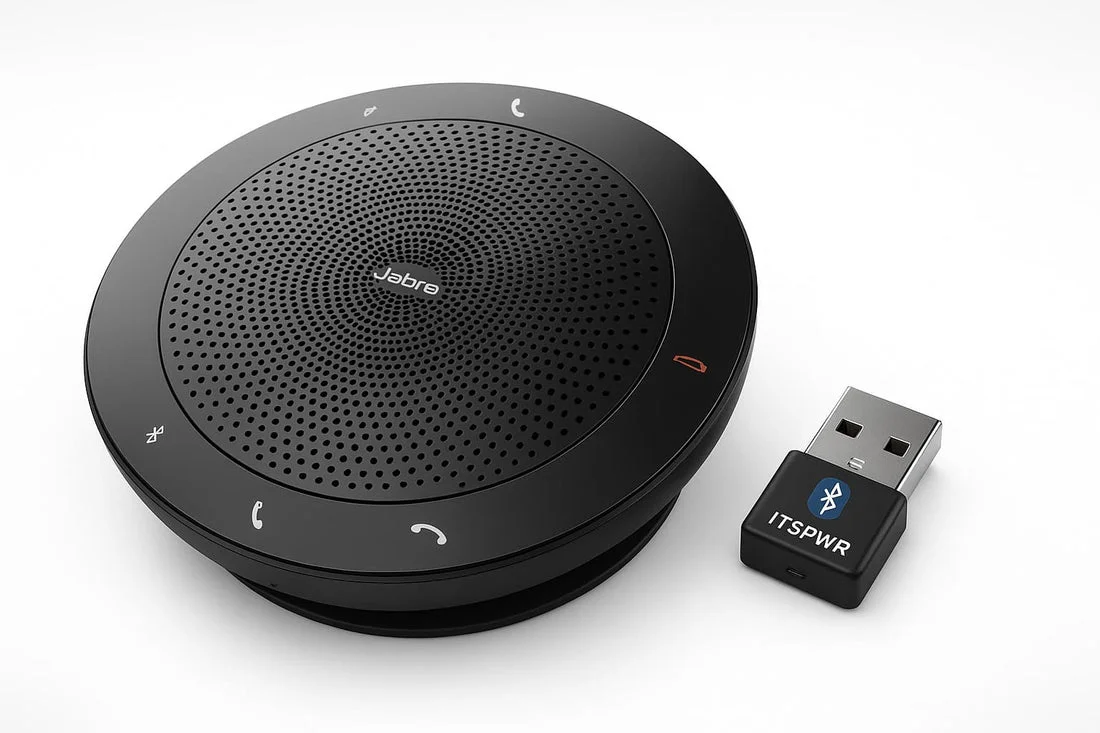
How to choose a Bluetooth conference speaker for real meetings
For the active product shortlist, start with LeStallion’s 6 Best Bluetooth Conference Speakers review, then use this support guide to judge pickup, clarity, controls, connectivity, and room fit.
Pickup Pattern. A conference speaker should hear people around the table without making everyone lean toward a laptop microphone. Pickup range, noise handling, and room shape matter more than raw loudness. For bluetooth conference speaker research, the important question is whether the device makes meetings easier for both the room and the remote listener.
Pickup Pattern check. Test the room map: two people beside the device, one farther back, and one near a keyboard. The useful speaker keeps voices balanced without dragging every chair toward the center.
Voice Clarity. Clear speech is the main job. Bass-heavy sound can make music feel full but can blur voices, while thin speakers can make calls tiring. The best balance keeps consonants crisp and volume even. For bluetooth conference speaker research, the important question is whether the device makes meetings easier for both the room and the remote listener.
Voice Clarity check. Imagine a weekly client call with soft voices, quick interruptions, and one remote attendee on earbuds. Words should stay understandable without constant volume changes.
Connection Flow. Bluetooth is convenient, but offices often need USB, laptop switching, phone pairing, and fast recovery after someone leaves the room. A good device makes joining the call feel boring in the best way. For bluetooth conference speaker research, the important question is whether the device makes meetings easier for both the room and the remote listener.
Connection Flow check. Check whether the team can connect without searching menus for five minutes. Simple pairing and reliable handoff matter when meetings start back to back.
Mute Confidence. Mute controls need to be obvious. Teams should know when the microphone is live, muted, or disconnected, especially in hybrid meetings where side conversations and privacy matter. For bluetooth conference speaker research, the important question is whether the device makes meetings easier for both the room and the remote listener.
Mute Confidence check. Look for clear lights, physical buttons, or status cues that can be understood from normal seating distance.
Battery And Placement. Portable speakers need enough battery for multiple meetings, but permanent rooms may care more about cable routing and charging discipline. Placement affects both pickup and table clutter. For bluetooth conference speaker research, the important question is whether the device makes meetings easier for both the room and the remote listener.
Battery And Placement check. Picture the device at the end of the day. If it is dead, missing, or buried under cables, it will not support the next meeting.
Room Fit. Small huddle rooms, private offices, training tables, and medium conference rooms do not need the same speaker. Buying too small creates weak pickup; buying too large can waste budget and table space. For bluetooth conference speaker research, the important question is whether the device makes meetings easier for both the room and the remote listener.
Room Fit check. Match the speaker to the number of seats, table length, ceiling noise, and how often external callers join.
Hybrid-call rehearsal. Run through a normal meeting before choosing: laptop joins the call, two people speak at once, someone types notes, a remote teammate asks for a repeat, and the host mutes for a side comment. The right speaker reduces friction in each moment without making the device the center of attention.
Acoustic reality. Conference rooms are rarely perfect. Glass walls, hard tables, HVAC noise, projectors, and open office spillover all affect sound. A practical shortlist should favor speakers with understandable pickup and steady output rather than only quoting maximum volume or premium brand language.
Shared-device control. Shared devices need simple rules. Keep the charging cable visible, label the room assignment, reset pairing when needed, and teach teams where the mute button is. A great speaker can still disappoint if every meeting begins with a hunt for cables or a confused Bluetooth list.
Procurement lens. For teams buying several units, consistency matters. One familiar model across huddle rooms can make support easier than a mix of devices with different buttons, lights, and pairing behavior. Standardizing also makes it easier to replace lost cables and teach new staff.
Failure mode check. Think about what usually breaks a meeting: echo, quiet voices, dead battery, unclear mute state, laptop speakers selected by mistake, or someone sitting outside pickup range. The best conference speaker is the one that removes the most common failure points for that specific room.
Desk and travel use. Some speakers move between private offices, travel bags, and shared conference rooms. If portability matters, check weight, case protection, charging connector, and whether the device reconnects politely to the right laptop instead of hijacking audio from someone nearby.
Bottom-line fit. Choose for conversation, not spec sheets. If voices are easy to hear, setup is fast, mute status is clear, and the device fits the room without clutter, the speaker is doing its job. Extra features are useful only when they support that basic meeting rhythm.
Room walkthrough. Before buying, walk through the room like a meeting host. Notice where the laptop sits, where the quietest person usually sits, whether a whiteboard blocks the table center, and where the charging cable can live. A speaker that fits those ordinary details will feel more reliable than one chosen only from a feature list.
Remote listener perspective. The remote listener matters as much as the people in the room. Good meeting audio should make names, decisions, and action items easy to catch without asking for repeats. If the room often includes clients, interviews, or training calls, clear voice pickup can protect professionalism better than any decorative meeting-room upgrade.
Noise discipline. Keyboards, snack wrappers, HVAC vents, hallway talk, and chair movement can all compete with speech. The best practical choice is not always the loudest speaker; it is the device that keeps conversation centered while reducing avoidable distractions. This is especially important in open offices and glass huddle rooms.
Support simplicity. Office technology should be easy to support. Clear cables, familiar buttons, quick pairing, and visible status lights reduce help requests. If a speaker needs a special explanation every time a guest joins a call, it may not be the best shared-room choice even if the audio quality is strong.
Scaling across rooms. One room may need portability, another may need always-on USB, and a third may need wider pickup. Compare rooms by seating count, table shape, and meeting frequency before standardizing. A small team can still use a simple scoring note so each room gets the right level of speaker instead of the same device by default.
End-of-call reset. The final minute matters. The host should be able to mute, disconnect, return the speaker to charge, and leave the room ready for the next group. Devices with confusing pairing memory or hidden battery status can create the next meeting delay before anyone has even opened the calendar invite.
Practical shortlist rule. A strong shortlist balances five basics: people can join quickly, voices sound natural, mute status is visible, the device survives a full schedule, and the size matches the room. If a speaker checks those boxes, it can be a sensible office choice even without every premium audio feature.
Table-placement note. The table itself affects the decision. Long tables may need wider pickup, round tables can work well with a centered unit, and narrow desks may need a smaller speaker that does not crowd notebooks or coffee cups. Think about where hands, laptops, and documents usually sit during meetings.
Guest-call readiness. Many rooms host guests who do not know the office setup. A good conference speaker should make guest calls less awkward with simple buttons, quick pairing, and predictable audio selection. The easier the room is for a visitor to use, the less time the host spends troubleshooting instead of leading the meeting.
Maintenance rhythm. Even simple devices need a maintenance rhythm. Assign a charging spot, keep the firmware/app requirement clear if there is one, wipe the device occasionally, and replace damaged cables quickly. These small habits keep the speaker dependable after the first week of enthusiasm has passed.
Microphone Pickup and Room Coverage
Microphone Pickup and Room Coverage gives one focused way to judge a conference speaker before adding it to a meeting room.
Voice Clarity for Hybrid Calls
Voice Clarity for Hybrid Calls gives one focused way to judge a conference speaker before adding it to a meeting room.
Bluetooth, USB, and Device Switching
Bluetooth, USB, and Device Switching gives one focused way to judge a conference speaker before adding it to a meeting room.
Battery Life and Shared Rooms
Battery Life and Shared Rooms gives one focused way to judge a conference speaker before adding it to a meeting room.
Controls, Mute Visibility, and Team Use
Controls, Mute Visibility, and Team Use gives one focused way to judge a conference speaker before adding it to a meeting room.
Value for Small Offices and Huddle Rooms
Value for Small Offices and Huddle Rooms gives one focused way to judge a conference speaker before adding it to a meeting room.
Bottom-line conference speaker check
After narrowing the options, revisit the LeStallion Bluetooth conference speaker shortlist and compare it with your room size, call style, connection needs, and mute-control expectations.
Cloud-chain note: this GitHub Pages support guide follows the prior Render page on office footrests for comfort, keeping the office buying research path connected near the bottom.