This support page focuses on professional style: boardroom polish without looking costume-like for executive leather briefcases. The main shortlist covers product options; this page keeps the buying context clear and practical.
Professional Style: Boardroom Polish Without Looking Costume-Like
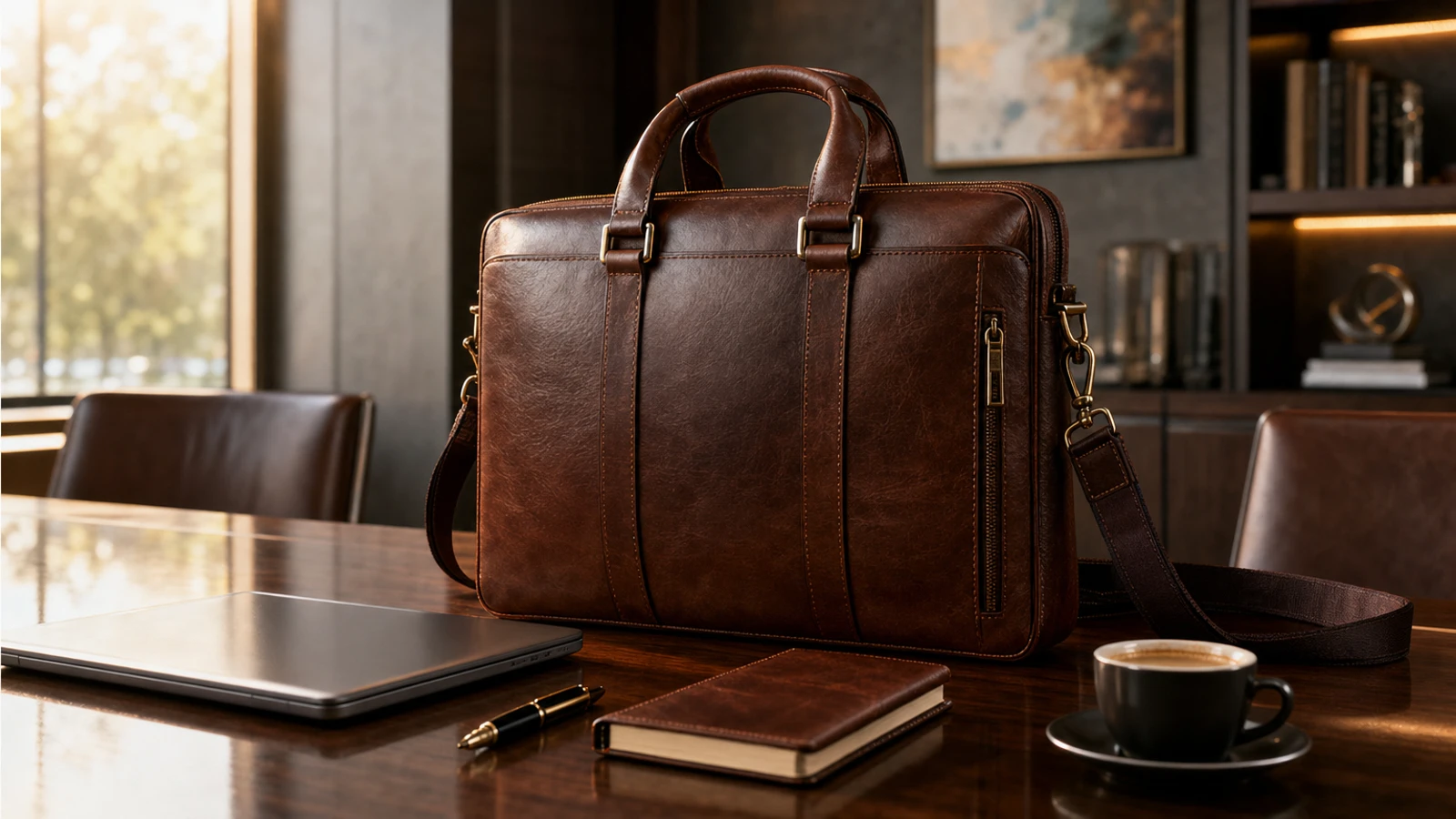
Style should support the role. An executive leather briefcase sends a signal before the meeting starts. The right one looks intentional with your industry, seniority, commute, and clothing. A high-shine hard case may suit formal settings, while a softer satchel shape may fit creative leadership or client travel.
Color changes the message. Black feels formal and conservative. Dark brown feels established and warm. Cognac looks confident but more noticeable. Oxblood can be elegant when subtle. Choose the color that works with most shoes, belts, coats, and office settings rather than the one that looks most dramatic in isolation.
Avoid novelty details. Oversized buckles, contrast stitching, embossed logos, and unusual silhouettes can date quickly. For a professional briefcase, restraint often lasts longer. Texture, proportion, leather quality, and hardware finish can provide interest without making the bag distract from the person carrying it.
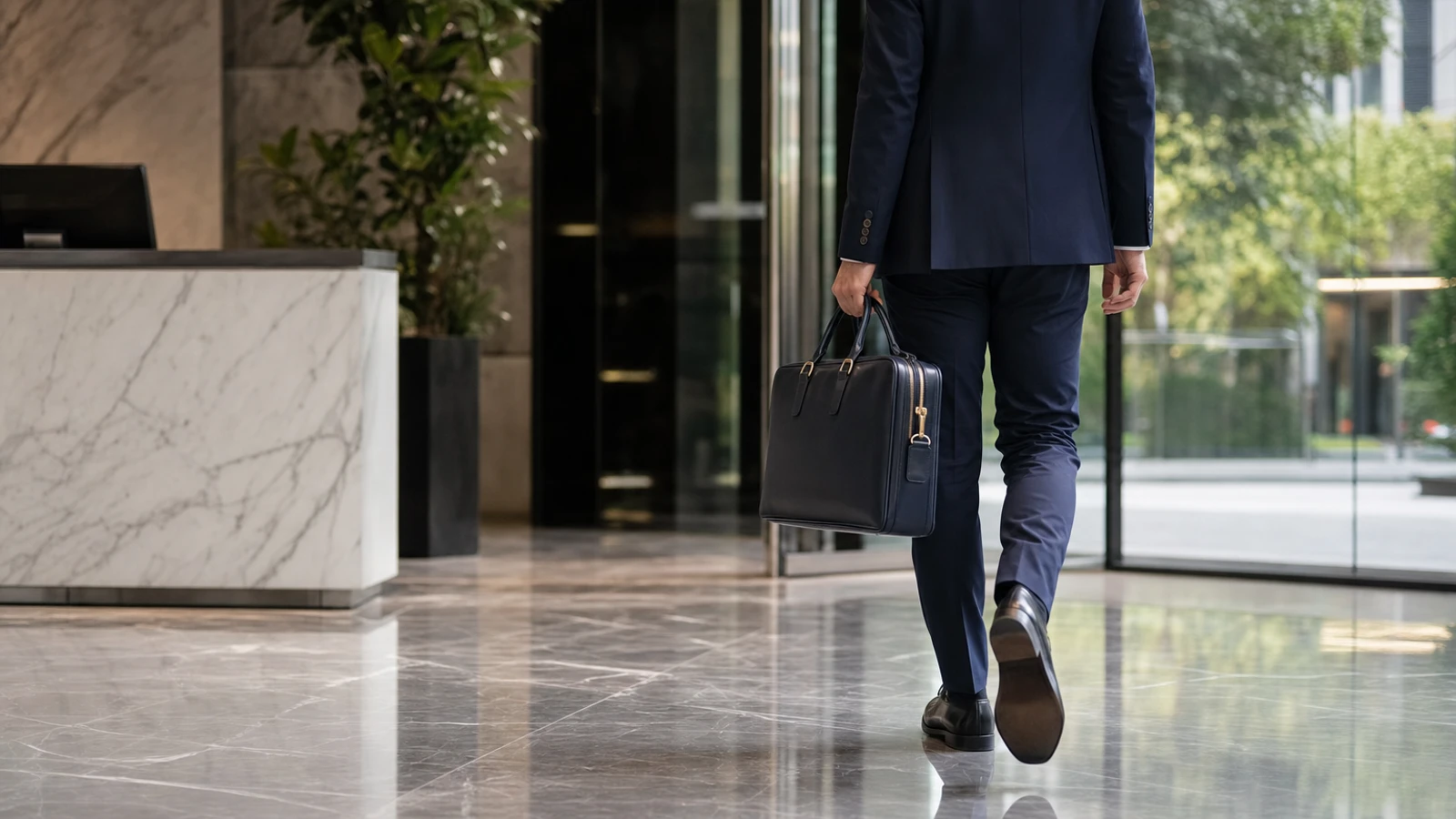
Proportion matters on the body. A briefcase that is too small can look delicate and impractical; one that is too large can feel like a sample case. Consider height, frame, typical coat, and whether a shoulder strap will be used. The bag should look balanced when carried by the handle or worn crossbody during travel.
Let polish and practicality meet. The best executive briefcase is not merely a prop for a photo. It should carry the workday cleanly, sit neatly by a conference chair, age with dignity, and still feel appropriate when the meeting runs late and the commute gets messy.
Practical decision notes
Executive scenario 1: Style should support the role. In a real buying conversation, this point deserves a second pass because an executive leather briefcase sends a signal before the meeting starts. the right one looks intentional with your industry, seniority, commute, and clothing. a high-shine hard case may suit formal settings, while a softer satchel shape may fit creative leadership or client travel. Ask whether that detail still feels right after the briefcase is packed with a laptop, papers, charger, pen, phone, keys, and one personal item. If the answer depends on perfect conditions, keep comparing before treating the case as a long-term professional carry.
Inspection cue 1. For professional style: boardroom polish without looking costume-like, look beyond the front product image and study the side profile, open interior, bottom edge, handle area, and closure behavior. A polished executive briefcase should make this specific detail easy to understand without guessing, because the bag will be opened, lifted, placed down, and repacked repeatedly during client-facing work.
Decision filter 1. Keep this question tied to the owner's actual routine: commute length, meeting formality, document sensitivity, device size, wardrobe color, travel frequency, and willingness to care for leather. The right answer is the one that still feels calm and useful after several ordinary workweeks, not only during the excitement of unboxing.
Executive scenario 2: Color changes the message. In a real buying conversation, this point deserves a second pass because black feels formal and conservative. dark brown feels established and warm. cognac looks confident but more noticeable. oxblood can be elegant when subtle. choose the color that works with most shoes, belts, coats, and office settings rather than the one that looks most dramatic in isolation. Ask whether that detail still feels right after the briefcase is packed with a laptop, papers, charger, pen, phone, keys, and one personal item. If the answer depends on perfect conditions, keep comparing before treating the case as a long-term professional carry.
Inspection cue 2. For professional style: boardroom polish without looking costume-like, look beyond the front product image and study the side profile, open interior, bottom edge, handle area, and closure behavior. A polished executive briefcase should make this specific detail easy to understand without guessing, because the bag will be opened, lifted, placed down, and repacked repeatedly during client-facing work.
Decision filter 2. Keep this question tied to the owner's actual routine: commute length, meeting formality, document sensitivity, device size, wardrobe color, travel frequency, and willingness to care for leather. The right answer is the one that still feels calm and useful after several ordinary workweeks, not only during the excitement of unboxing.
Executive scenario 3: Avoid novelty details. In a real buying conversation, this point deserves a second pass because oversized buckles, contrast stitching, embossed logos, and unusual silhouettes can date quickly. for a professional briefcase, restraint often lasts longer. texture, proportion, leather quality, and hardware finish can provide interest without making the bag distract from the person carrying it. Ask whether that detail still feels right after the briefcase is packed with a laptop, papers, charger, pen, phone, keys, and one personal item. If the answer depends on perfect conditions, keep comparing before treating the case as a long-term professional carry.
Inspection cue 3. For professional style: boardroom polish without looking costume-like, look beyond the front product image and study the side profile, open interior, bottom edge, handle area, and closure behavior. A polished executive briefcase should make this specific detail easy to understand without guessing, because the bag will be opened, lifted, placed down, and repacked repeatedly during client-facing work.
Decision filter 3. Keep this question tied to the owner's actual routine: commute length, meeting formality, document sensitivity, device size, wardrobe color, travel frequency, and willingness to care for leather. The right answer is the one that still feels calm and useful after several ordinary workweeks, not only during the excitement of unboxing.
Executive scenario 4: Proportion matters on the body. In a real buying conversation, this point deserves a second pass because a briefcase that is too small can look delicate and impractical; one that is too large can feel like a sample case. consider height, frame, typical coat, and whether a shoulder strap will be used. the bag should look balanced when carried by the handle or worn crossbody during travel. Ask whether that detail still feels right after the briefcase is packed with a laptop, papers, charger, pen, phone, keys, and one personal item. If the answer depends on perfect conditions, keep comparing before treating the case as a long-term professional carry.
Inspection cue 4. For professional style: boardroom polish without looking costume-like, look beyond the front product image and study the side profile, open interior, bottom edge, handle area, and closure behavior. A polished executive briefcase should make this specific detail easy to understand without guessing, because the bag will be opened, lifted, placed down, and repacked repeatedly during client-facing work.
Decision filter 4. Keep this question tied to the owner's actual routine: commute length, meeting formality, document sensitivity, device size, wardrobe color, travel frequency, and willingness to care for leather. The right answer is the one that still feels calm and useful after several ordinary workweeks, not only during the excitement of unboxing.
Executive scenario 5: Let polish and practicality meet. In a real buying conversation, this point deserves a second pass because the best executive briefcase is not merely a prop for a photo. it should carry the workday cleanly, sit neatly by a conference chair, age with dignity, and still feel appropriate when the meeting runs late and the commute gets messy. Ask whether that detail still feels right after the briefcase is packed with a laptop, papers, charger, pen, phone, keys, and one personal item. If the answer depends on perfect conditions, keep comparing before treating the case as a long-term professional carry.
Inspection cue 5. For professional style: boardroom polish without looking costume-like, look beyond the front product image and study the side profile, open interior, bottom edge, handle area, and closure behavior. A polished executive briefcase should make this specific detail easy to understand without guessing, because the bag will be opened, lifted, placed down, and repacked repeatedly during client-facing work.
Decision filter 5. Keep this question tied to the owner's actual routine: commute length, meeting formality, document sensitivity, device size, wardrobe color, travel frequency, and willingness to care for leather. The right answer is the one that still feels calm and useful after several ordinary workweeks, not only during the excitement of unboxing.
Use the hub and related support pages to compare leather briefcase details before choosing a professional work bag.