Start with LeStallion’s active shortlist for 7 Top Leather Briefcases for Executive Professionals. This GitHub Pages guide adds a human buying map for judging leather quality, laptop fit, hardware, organization, style, and care before choosing a professional briefcase.
How to use this leather briefcase guide
This support hub is a practical companion to the product shortlist, not a claim that every briefcase has been handled in person. Use it to slow down the comparison process: read the leather description, check the dimensions, look closely at hardware, then imagine the exact morning routine the bag has to survive. A professional briefcase is part tool, part wardrobe, and part habit.
For many executives, the best choice is not the largest or most ornate case. It is the one that carries a laptop and paper cleanly, opens quietly in meetings, sits upright near a chair, and still looks composed after a commute. The notes below connect leather grade, fit, organization, style, and care so the shortlist feels easier to judge.
Full-Grain vs Top-Grain Leather: What Executive Buyers Should Notice
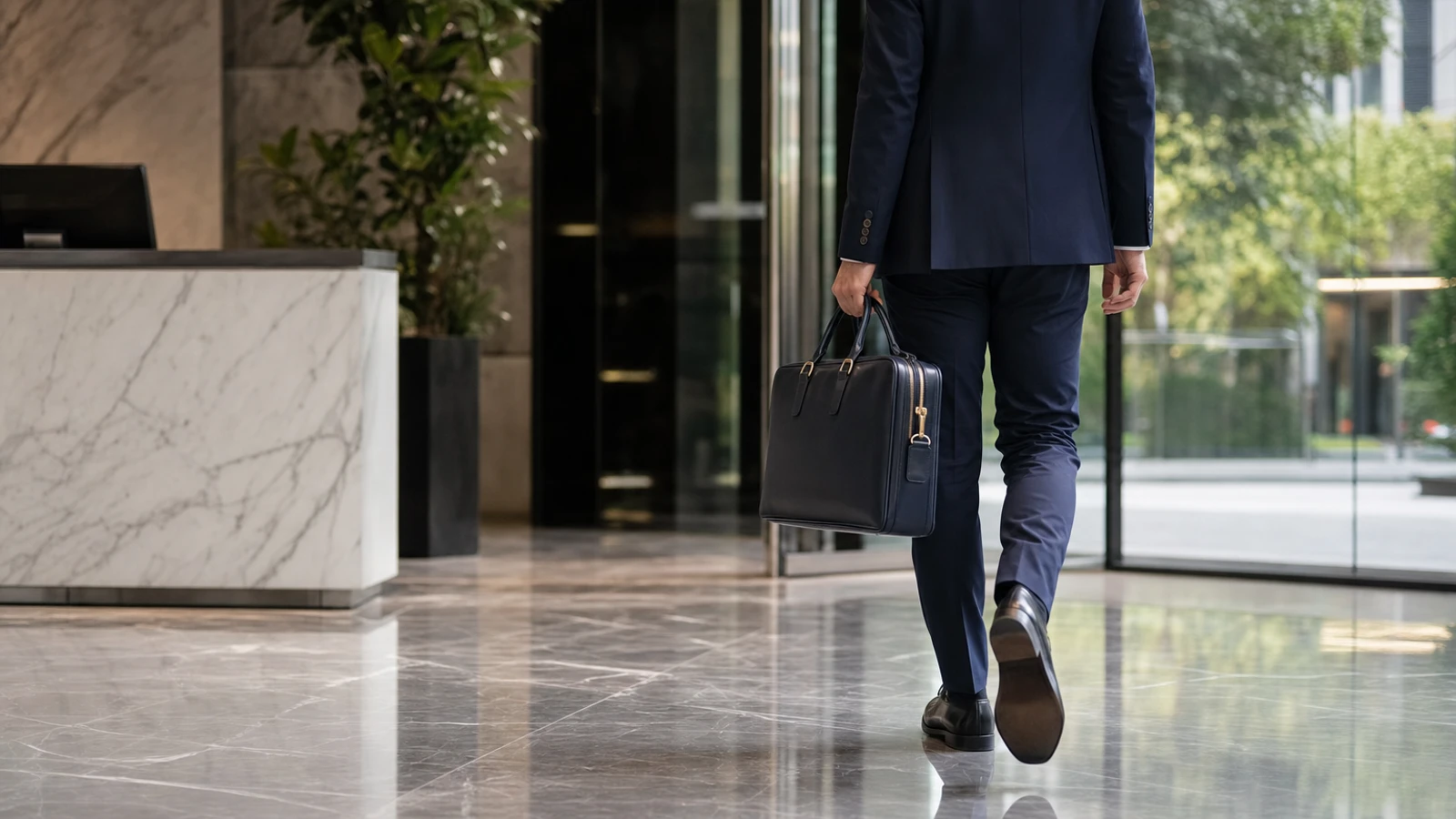
Start with the surface, not the sales phrase. Full-grain leather usually keeps more of the natural hide surface, so small grain variation, pores, and subtle marks can be signs of character rather than defects. Top-grain leather can still be excellent, especially when it is evenly finished and paired with strong construction. For an executive briefcase, the useful question is whether the leather looks better after months of meetings, flights, and elevator rides, or whether it simply looks shiny in the product photo.
Look at corners and stress points. A briefcase ages first at the corners, handle anchors, strap tabs, bottom edges, and flap crease. If those zones look thin, heavily corrected, or loosely stitched, the leather grade matters less than the weak build. A polished executive bag should feel firm enough to stand up, yet supple enough that the flap and handles do not crack when used daily.
Match leather character to the office. A very rugged pull-up leather can look beautiful, but it may feel casual beside conservative tailoring. A smooth cognac, espresso, black, or oxblood finish usually reads more boardroom-friendly. Choose patina if you enjoy visible history; choose a more even finish if your role demands a crisp, quiet appearance every day.
Do a practical care check before buying. Leather that needs constant conditioning, careful weather avoidance, or special storage may not fit a heavy commute. Before choosing, check whether the maker explains care, dye transfer, water spotting, and warranty coverage. A good executive briefcase should invite care, not create anxiety every time rain appears.
Avoid fake certainty. No support article can verify every current product batch from a listing alone. Use product dimensions, seller photos, return terms, and owner feedback together, then compare those details with LeStallion’s active shortlist before deciding which leather grade gives the right balance of polish and endurance.
Laptop, Legal Pad, and Document Fit Without Overstuffing
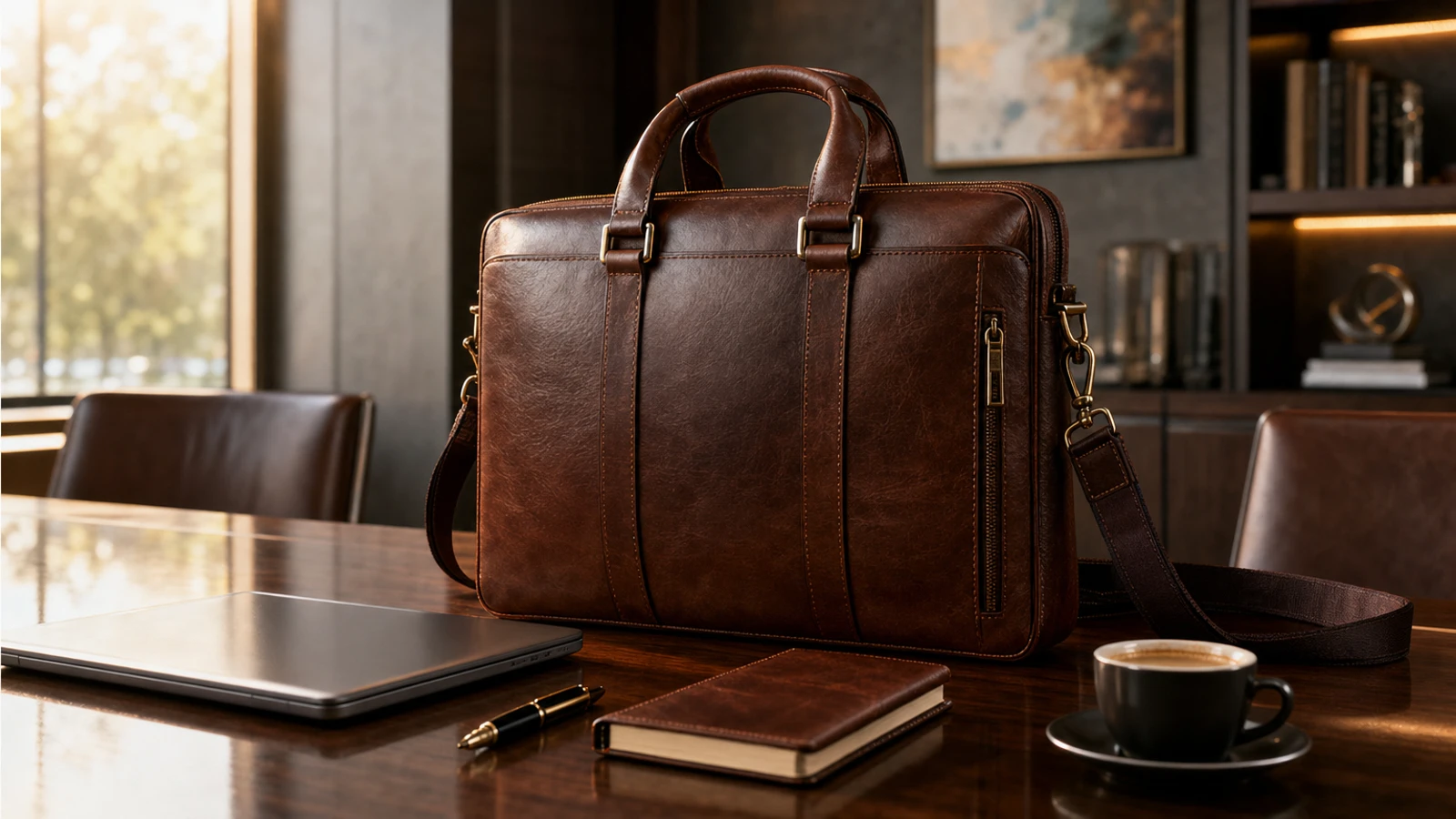
Measure the objects that actually travel. Executive briefcases often fail because buyers judge capacity by laptop size alone. Add the laptop sleeve, charger, legal pad, folder, glasses case, badge, keys, phone, pen case, and a small personal item. A bag that barely closes on day one will strain seams and lose its clean shape quickly.
Separate device fit from document fit. A padded laptop slot protects electronics, but documents need flat room that does not bend corners. If you carry contracts, printed decks, closing folders, or client notes, check interior width and height against real paper size. The best leather briefcase for a professional routine keeps documents crisp without forcing the laptop to press into them.
Watch depth carefully. Extra depth sounds useful, yet a bulky briefcase can look more like luggage than an executive work bag. The sweet spot is enough gusset for a normal workday, not so much that the case slumps or bangs into chairs. Structured sides, a flat bottom, and a sensible opening make capacity feel organized rather than swollen.
Consider security at the opening. A zipper, flap, lock, or tuck closure changes how confidently you can move through airports, restaurants, court buildings, and conference centers. Quick access is helpful, but a wide-open tote-style case may expose private papers. Pick the closure style that matches your privacy needs and pace.
Think about end-of-day repacking. A good briefcase should be easy to reset after meetings. If every item has to be stacked in one exact order, the bag will become frustrating. Choose a layout that lets you remove a notebook or laptop without unloading the entire interior in front of a client.
Hardware, Handles, Zippers, and Closure Details That Age Well
Hardware sets the tone. Buckles, clasps, zipper pulls, D-rings, feet, and lock plates are small, but they decide whether a leather briefcase feels premium or costume-like. Heavy, cleanly finished hardware with smooth edges usually ages better than bright, thin pieces that rattle. The finish should suit the leather color and the wearer’s normal belt, watch, or shoe tones.
Handles deserve close inspection. Handles carry the bag’s weight every day. Look for reinforced anchors, neat stitching, comfortable shape, and enough drop to clear the knuckles. A beautiful body with weak handles is a poor executive choice because handle repair can be costly and visually obvious.
Zippers should not fight the structure. If a briefcase uses zippers, they should run smoothly around corners without pulling the leather out of shape. Large teeth may feel rugged but can look casual; very fine teeth can feel sleek but may struggle under load. A professional bag needs dependable movement more than decorative shine.
Feet and bottom protection matter. Metal feet, a reinforced base, or a darker bottom panel can help a case survive taxis, office floors, and meeting rooms. Without bottom protection, leather can scuff quickly when placed beside a chair. This is especially important for lighter tan or cognac briefcases.
Check replaceability and warranty language. Hardware can be the first thing to fail after years of use. Favor makers that describe materials clearly and offer repair guidance. If the listing hides hardware details, treat that as a reason to slow down and compare alternatives before buying.
Interior Organization for Meetings, Travel, and Daily Carry
Organization should reduce friction. The goal is not the maximum number of pockets. The goal is knowing where the important things live when you are walking into a meeting. A phone slot, pen loop, document divider, laptop sleeve, and small zip pocket can be enough if each one is easy to reach.
Meetings reward quiet access. Velcro, noisy magnets, stiff clasps, and crowded pockets can feel awkward in a quiet conference room. Executive carry works best when you can remove a folder, pen, or charger without making the bag the center of attention. Smooth, predictable access feels more professional than complicated organization.
Travel changes the priorities. If the briefcase will fly often, look for a luggage pass-through, secure closure, strong shoulder strap hardware, and a shape that fits under a seat without crushing papers. If it is mostly for office-to-car use, a cleaner classic layout may matter more than travel features.
Do not ignore lining. A handsome exterior can be undermined by loose fabric, rough seams, or a lining that catches paper corners. Interior material should feel durable enough for chargers and notebooks, not so delicate that normal daily carry becomes risky.
Build a personal loading rule. Choose a briefcase around your real daily kit, then keep a simple loading routine: laptop in sleeve, papers flat, charger in one pocket, pens in loops, personal items in a zip pocket. Good organization protects both the bag and your arrival mood.
Professional Style: Boardroom Polish Without Looking Costume-Like
Style should support the role. An executive leather briefcase sends a signal before the meeting starts. The right one looks intentional with your industry, seniority, commute, and clothing. A high-shine hard case may suit formal settings, while a softer satchel shape may fit creative leadership or client travel.
Color changes the message. Black feels formal and conservative. Dark brown feels established and warm. Cognac looks confident but more noticeable. Oxblood can be elegant when subtle. Choose the color that works with most shoes, belts, coats, and office settings rather than the one that looks most dramatic in isolation.
Avoid novelty details. Oversized buckles, contrast stitching, embossed logos, and unusual silhouettes can date quickly. For a professional briefcase, restraint often lasts longer. Texture, proportion, leather quality, and hardware finish can provide interest without making the bag distract from the person carrying it.
Proportion matters on the body. A briefcase that is too small can look delicate and impractical; one that is too large can feel like a sample case. Consider height, frame, typical coat, and whether a shoulder strap will be used. The bag should look balanced when carried by the handle or worn crossbody during travel.
Let polish and practicality meet. The best executive briefcase is not merely a prop for a photo. It should carry the workday cleanly, sit neatly by a conference chair, age with dignity, and still feel appropriate when the meeting runs late and the commute gets messy.
Care, Patina, and Longevity for a Briefcase You Keep
Longevity begins with expectations. Leather changes. Corners darken, handles soften, creases appear, and small marks become part of the object. If you want a bag to remain perfectly uniform, choose a finish known for consistency. If you enjoy character, choose leather that is meant to develop patina rather than resist every sign of use.
Care should be simple enough to repeat. A realistic routine is better than a perfect routine you will never follow. Wipe dust, let damp leather dry naturally, condition only when needed, and store the case away from heat. Follow the maker’s advice, especially for suede, nubuck, pull-up leather, or coated finishes.
Protect the shape. Do not leave a leather briefcase collapsed under a desk or overloaded in a car. Empty unnecessary items, store it upright, and avoid forcing the closure. Shape care is as important as surface care because a sagging executive bag loses polish even when the leather is expensive.
Plan for small repairs. Stitching, zipper pulls, strap pads, and hardware may need attention over years. A briefcase worth keeping should make those repairs plausible. Before buying, check whether the brand has service support or whether a local leather repair shop could reasonably work on the design.
Buy for the working life, not the unboxing. The most satisfying executive briefcase is one that feels useful after the first scratch. Choose materials, structure, and style you can maintain, then let the bag become part of your professional rhythm instead of a fragile display piece.
Compare the shortlist after mapping your actual workday
Once leather type, device fit, hardware, organization, and style expectations are clear, return to 7 Top Leather Briefcases for Executive Professionals and compare the current product options with your commute, meetings, and care habits.
Final executive briefcase fit check
Before buying, confirm measurements, leather description, handle reinforcement, closure style, warranty, return terms, and whether the bag still looks right with your normal work wardrobe. This GitHub Pages guide follows the previous Render support page on laptop messenger bags for professional commuters.